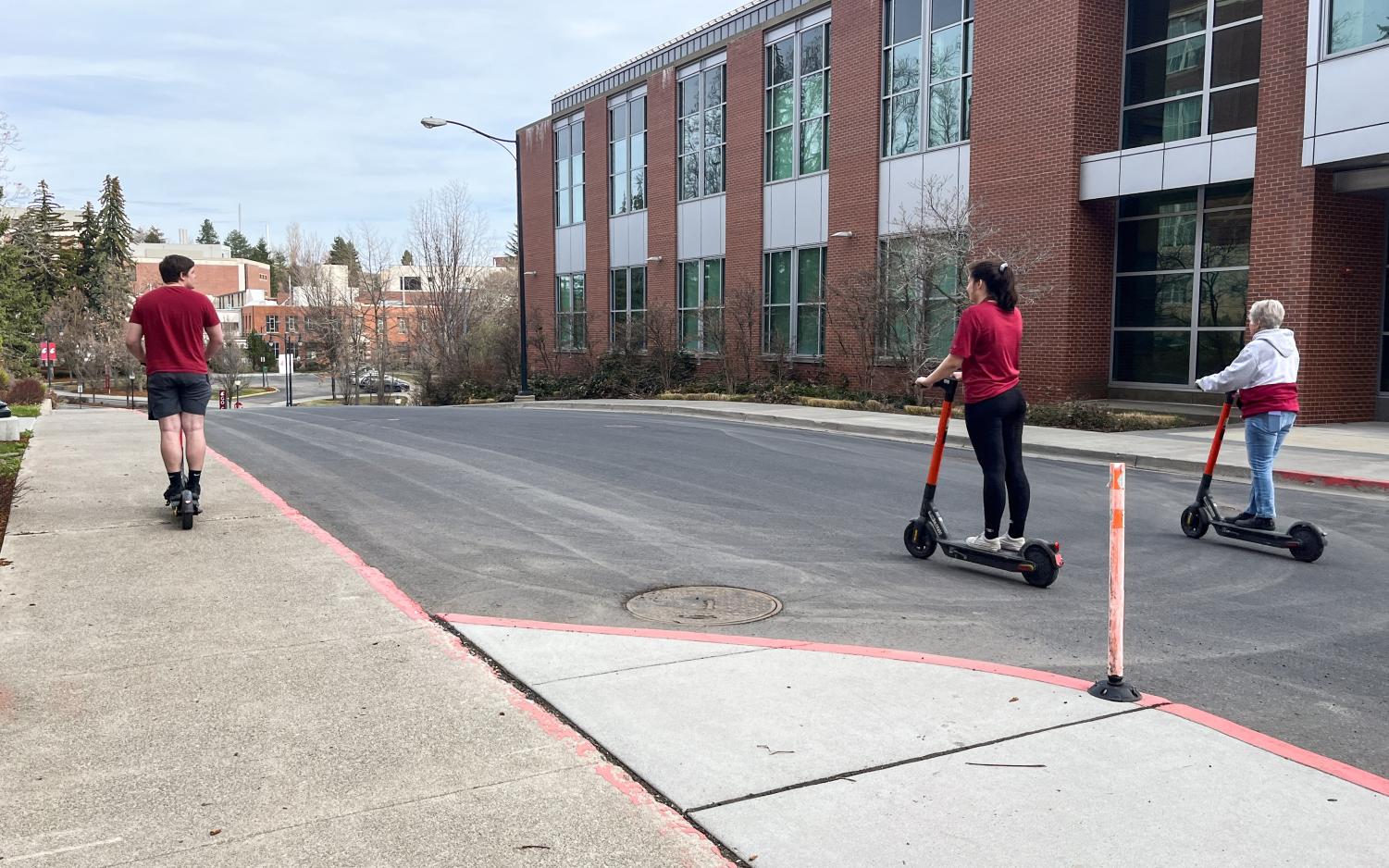
E-Bike / E-Scooter
Safety and Care of Lithium-ion Batteries
- Lithium-ion batteries can enter “thermal runaway.”
- If damaged, overheated, overcharged or manufactured poorly, the battery can rapidly head up, leading to fire or explosion.
- Fires burn extremely hot and spread fast.
- Temperatures can exceed 1,000°F (538°C), and the reaction can continue even if flames appear to be out.
- Water may not fully extinguish the fire.
- Water helps cool neighboring cells to prevent spread, but specialized Class B or Class D extinguishers or Lith-X extinguishers are more effective.
- Damaged batteries are the most common cause of fires.
- Swelling, punctures, drops, crushed batteries, or chargers that force too much current can trigger failure.
- Many incidents start during charging.
- Using non-approved chargers, overcharging, or charging on flammable surfaces (sofas, beds) significantly increases risk.
- Fires often re-ignite.
- Even after appearing extinguished, internal chemical reactions can restart the fire minutes or hours later.
- E-bikes, scooters, and large packs pose higher risk.
- They contain many battery cells packed closely, which can fail in a chain reaction.
Charging Habits
- Partial Charges: For daily riding, charge to 80-90% and don’t drain to 0% to preserve cell health
- Avoid Extremes: Keeping batteries at 100% or 0% for extended periods stresses them.
- Use Correct Charger: Always use the charger provided by the manufacturer.
- Charge Safely: Don’t leave it on the charger for days; use a timer if needed and charge in a designated, safe spot away from flammables/combustibles.
Storage & Temperature
- Ideal Range: Store at 50-77°F (10-25°C).
- Long-Term Storage: Keep at 40-60% charge and check every few months.
- Avoid Heat/Cold: Don’t leave in direct sun, hot cars, or freezing conditions, as extreme temperatures cause damage.
- Never Charge Cold: Let a frozen battery warm to room temperature before charging.
General Maintenance
- Follow Manual: Always defer to your manufacturer’s specific instructions.
- Inspect: Regularly check battery and charger for damage.
Physical Signs
- Swelling/Bulging: The battery case looks puffy, bulging, or deformed.
- Leaking: Liquid or residue coming from the battery pack.
- Discoloration: Changes in battery color or corrosion on terminals.
Performance Problems
- Reduced Range: Significantly shorter distances on a full charge.
- Longer Charging Times: Taking much longer to fully charge
- Rapid Discharge: Draining power very quickly.
- Inconsistent Power: Power drops or flickering during use.
- Failure to Hold Charge: Battery dies shortly after charging.
Sensory & Safety Alarms
- Extreme Heat: Battery gets excessively hot during charging or riding (some warmth is normal)
- Unusual Odor: A strong, sweet, or “rotten egg” smell.
- Strange Noises: Hissing, cracking, or popping sounds.
- Smoke: Smoke indicates an immediate fire hazard.
What to Do if You See Signs
- Stop Use: Unplug the charger and immediately stop using the device.
- Move Safely: Move the battery away from flammable materials to a safe, non-combustible area.
- Contact Manufacturer: Get professional help for inspection or replacement.
Proper disposal is essential.
Throwing batteries in the trash can lead to fires in garbage trucks or facilities. Always us a battery recycling program.